DealDino
Menu

Best OLED TV QLED TV deals

27 productsUpdated Aug 29, 2026

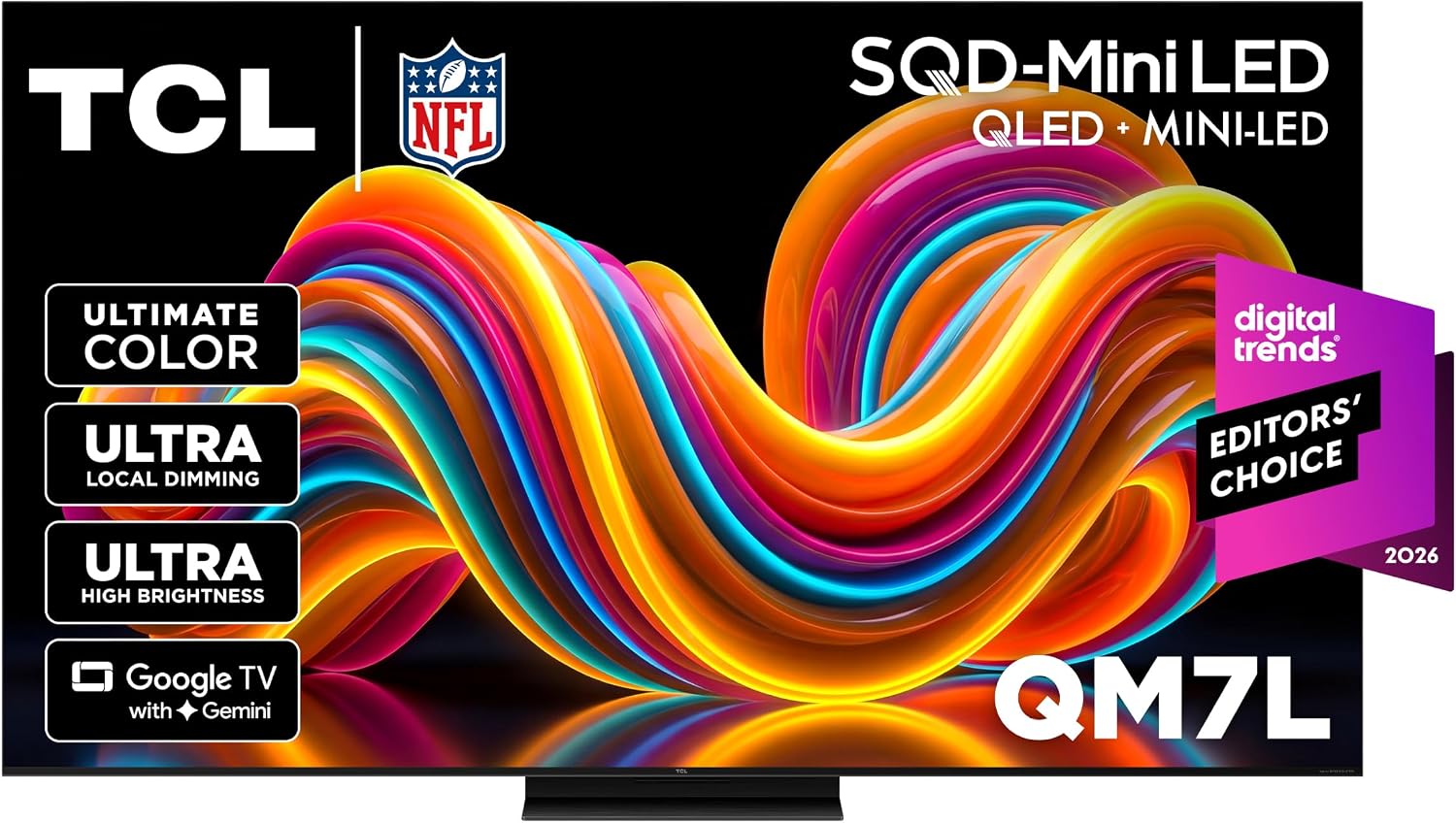
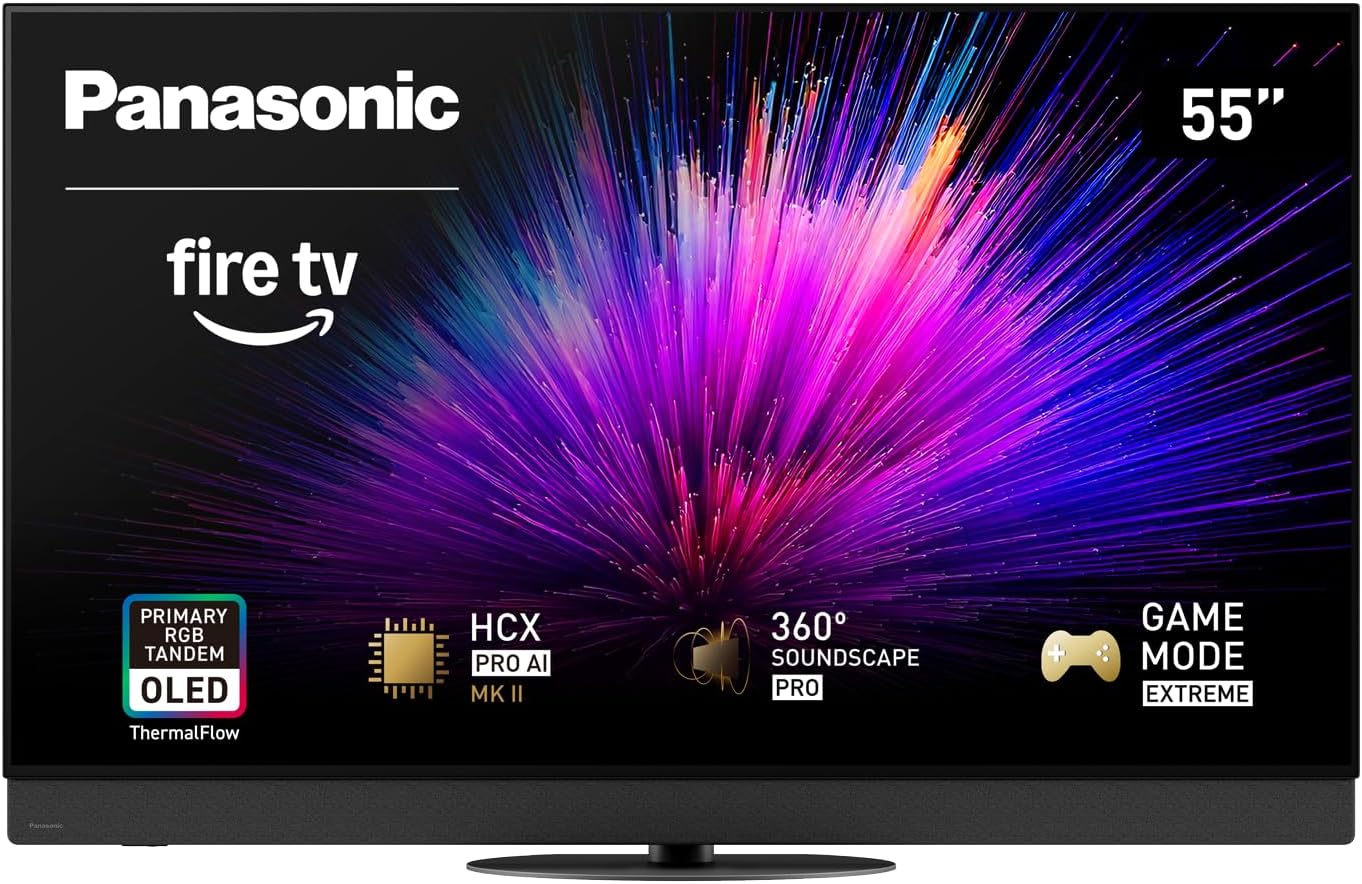
This page lists current deals on premium televisions built around two of the most advanced display technologies available today: OLED and QLED. Both deliver exceptional picture quality through different approaches. OLED screens produce their own light, offering perfect blacks and stunning contrast, while QLED models use quantum dot technology to enhance brightness and color accuracy, often paired with mini-LED backlighting for precise control. When comparing options in this category, consider your room's lighting, how you plan to use the TV, and the features that matter most to you: gaming performance, movie watching, sports viewing, or general entertainment. Screen size, refresh rate, processing power, and the built-in smart platform are all worth evaluating. Prices in this category vary widely by panel size and model generation, so it usually helps to settle on a size first and then compare the options within it.

Showing 27 of 27

Common questions

  • What's the main difference between OLED and QLED TVs?

    OLED TVs emit light from each individual pixel, creating perfect blacks and infinite contrast since pixels can turn completely off. QLED TVs use a backlight behind a quantum dot layer, excelling at brightness and vibrant colors. OLED typically offers superior contrast and is excellent for dark rooms, while QLED often reaches higher peak brightness and performs better in bright, sunny spaces.

  • Which type is better for gaming?

    Both can excel at gaming depending on your priorities. OLED TVs offer nearly instant response times and perfect blacks, ideal for competitive and immersive gaming. QLED models, especially those with mini-LED backlighting, reach higher peak brightness, which some gamers prefer in a lit room. Refresh rate is set by the panel rather than the backlight, so check the refresh rate and response time specs of models on sale.
  • Do these TVs require special wall mounts or cables?

    Most modern premium TVs use standard VESA wall mount patterns, though some ultra-thin models may have specific mounting requirements. For high refresh rate features, use a cable certified as Ultra High Speed HDMI, which is the rating that carries the required bandwidth. Check the product details for included accessories and compatibility with your existing setup before purchasing.

  • Which picture specifications actually separate premium sets from mainstream ones?

    Premium sets are usually rated for a wider color range and higher brightness than mainstream models, and the specs to compare are peak brightness in nits, the claimed color gamut coverage, and whether local dimming is included. Panel type sets the ceiling on contrast, while the processing decides how well lower quality sources are handled, so read both parts of the description.

  • How important is the refresh rate for non-gamers?

    Standard broadcast content is 60Hz, so gamers benefit most from higher refresh rates like 120Hz or 144Hz. For movies, sports, and general TV watching, a standard 60Hz refresh rate is fine, though higher rates can make motion appear smoother. Higher refresh rate models typically cost more, so weigh this against your actual viewing habits.