
KOIOS
Paid link to Amazon
KOIOS H13 True HEPA Air Purifier for Home Pets Large Room 2400 Sq Ft
500 bought recently
Z7H72XAMCode seen for 3 days
Updated Oct 13, 202619 products
Showing 19 of 19
KOIOS
Paid link to Amazon
500 bought recently
Z7H72XAMCode seen for 3 days
YADU
Paid link to Amazon
200 bought recently
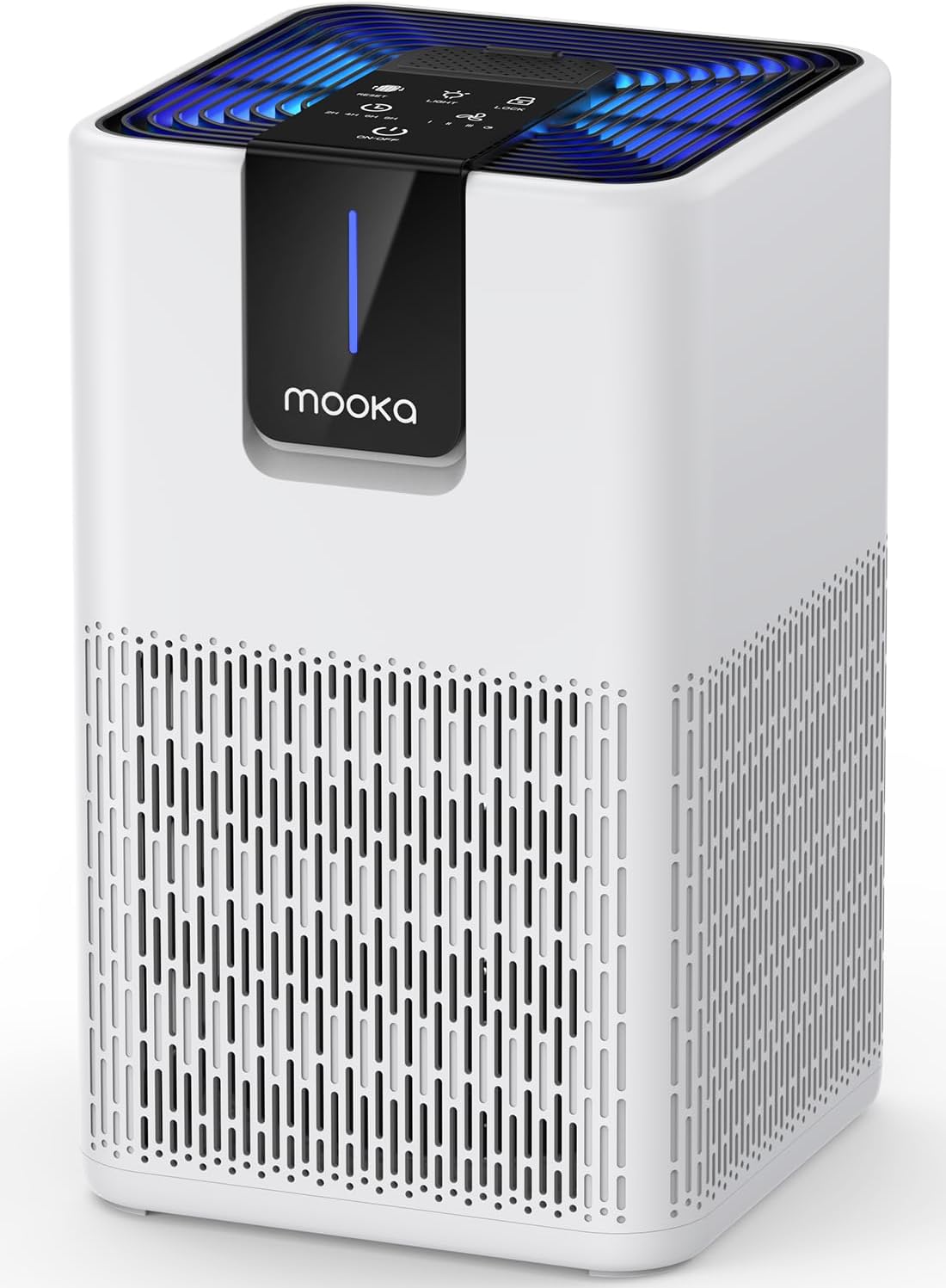
YADU2NEWMOOKA
Paid link to Amazon
700 bought recently
NTRK95NVCode seen for 32 days
FETIONS
Paid link to Amazon
7SHL751PVOOPNU
Paid link to Amazon
30K bought recently
F4MFG2M5Code seen for 4 days
Aucleia
Paid link to Amazon
400 bought recently
3LJGEZJ5Code seen for 4 days
Homedics
Paid link to Amazon
No code for this deal
Clorox
Paid link to Amazon
1K bought recently
No code for this deal
Shark
Paid link to Amazon
No code for this deal
Shark
Paid link to Amazon
400 bought recently
No code for this deal
Clorox
Paid link to Amazon
50 bought recently
No code for this deal
VEWIOR
Paid link to Amazon
No code for this deal
VEWIOR
Paid link to Amazon
100 bought recently
No code for this deal
Dyson
Paid link to Amazon
400 bought recently
No code for this deal
Pure Enrichment
Paid link to Amazon
400 bought recently
No code for this deal
VEWIOR
Paid link to Amazon
50 bought recently
No code for this deal
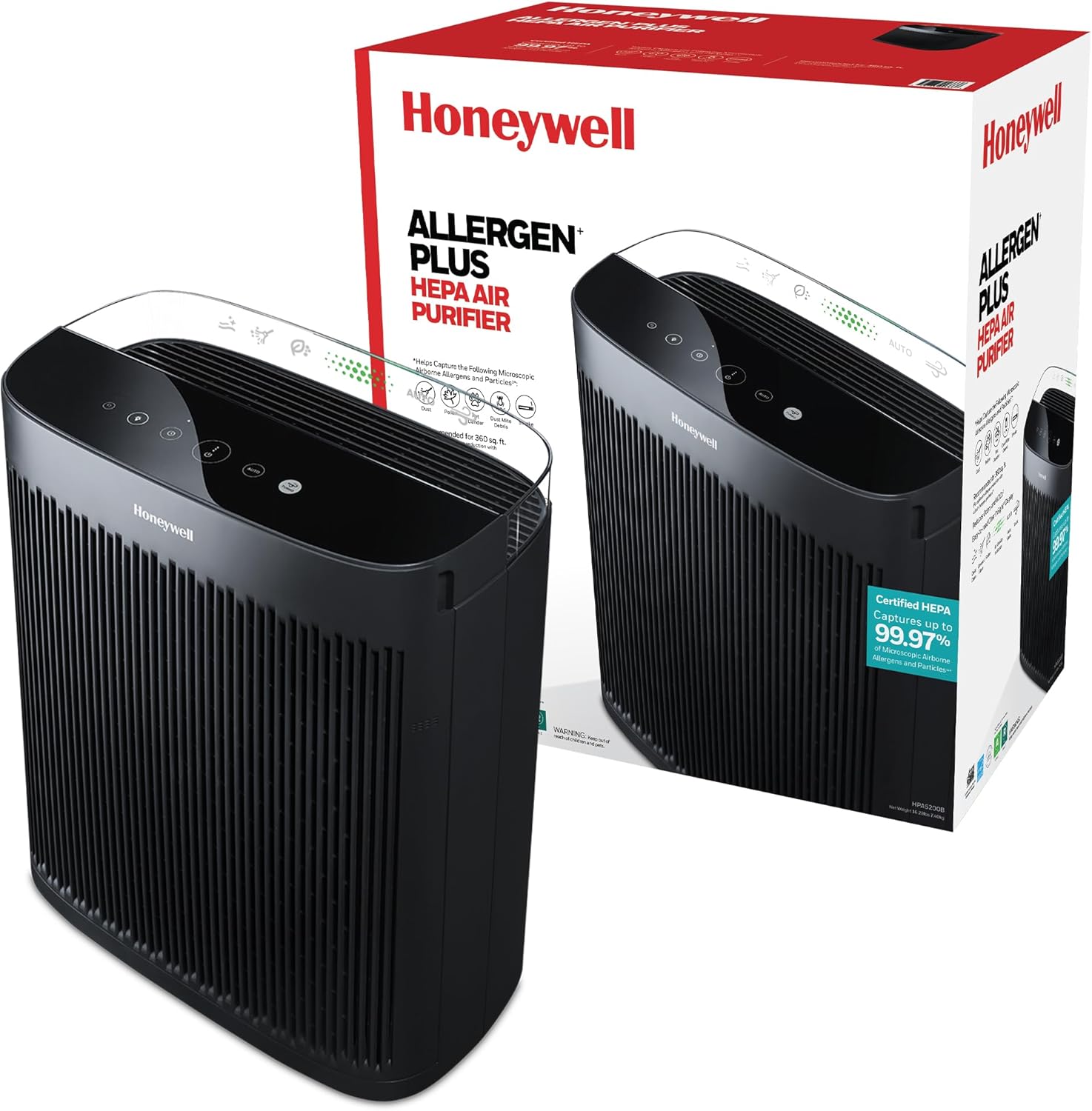
Honeywell
Paid link to Amazon
100 bought recently
No code for this deal
Clorox
Paid link to Amazon
700 bought recently
No code for this deal
Levoit
Paid link to Amazon
50K bought recently
No code for this deal
Air purifiers work by drawing in surrounding air and passing it through filters that trap particles, dust, pet hair, odors, and other contaminants before releasing clean air back into the room. When comparing options, consider the square footage the unit covers, filter type and replacement costs, noise level during operation, and special features like air quality sensors or aromatherapy functions. Many shoppers prioritize quiet operation for bedrooms, washable pre-filters to reduce ongoing costs, and smart features like app control or sleep modes. This page lists current deals and discounts on air purifiers across different room sizes and price points, helping you find savings on models that match your home's needs, whether you're dealing with dust, smoke, pet hair, or odors.
Air purifiers are rated by square footage coverage. Measure your room and match it to the unit's coverage area, or choose a larger capacity if you want to cover multiple adjacent spaces. A unit rated well above your room size will cycle the air more times per hour at a given fan speed, while an undersized one has to run longer or louder to move the same volume.
HEPA filters meet a high-efficiency standard, capturing 99.97 percent of particles as small as 0.3 microns, and are designed to capture fine particles such as dust and pollen. Washable pre-filters extend filter life by catching larger particles first and reducing replacement costs. Check filter replacement pricing before buying, as ongoing filter costs vary significantly between models and affect your total savings.
Noise output varies a lot between sleep mode and the highest fan speed, so compare the listed decibel range before buying rather than a single figure. If you plan to run it in a bedroom or quiet workspace, look for models with a dedicated sleep or quiet mode. Many units hold a low decibel rating at their lower speeds, which is what makes them quiet enough for a bedroom.
These features are optional but useful. Air quality sensors automatically adjust fan speed based on detected pollution levels, which can save energy. Smart controls and app access let you monitor and adjust settings remotely. Aromatherapy options add subtle scent diffusion. Decide which features matter for your lifestyle and budget rather than paying for ones you won't use.
Filter lifespan typically ranges from six months to two years depending on air quality and usage. Some models feature washable pre-filters that reduce replacement frequency and costs. Before purchasing, research replacement filter pricing for your chosen model, as costs vary widely. This ongoing expense should factor into your total value calculation when comparing deals.